Okay, so check this out—cold storage isn’t just some fancy buzzword tossed around crypto circles. Seriously, it’s the backbone of keeping your digital assets safe, especially when you’re holding NFTs that you actually care about. Wow! I remember when I first dipped my toes into hardware wallets, I thought, “Eh, software wallets are fine.” But man, somethin’ felt off about leaving my tokens just floating online.
Cold storage, in essence, means your private keys never touch the internet. No matter how many phishing scams or malware attacks try to snag your assets, they’re locked away in a device that’s offline. This is crucial because NFTs, unlike regular tokens, often represent unique digital art or collectibles that can have real sentimental and financial value.
Here’s the thing. Updating the firmware on your hardware wallet? It’s very very important. At first, I used to skip updates because they seemed like a hassle and, honestly, I worried an update might brick my device. But then I realized those updates patch vulnerabilities and add support for new assets — including NFTs that keep popping up in the market.
Firmware updates can be tricky, however. You gotta make sure you’re downloading them from legit sources. Otherwise, you risk installing compromised software. This is where tools like ledger live really shine. It streamlines the update process, making it way easier to keep your device current without exposing yourself to unnecessary risks.
Hmm… I guess my initial skepticism about firmware updates was a mix of laziness and fear of messing things up. But actually, wait—let me rephrase that—it’s more about realizing that the small inconvenience of updating beats the nightmare of losing access to your NFTs or crypto altogether.
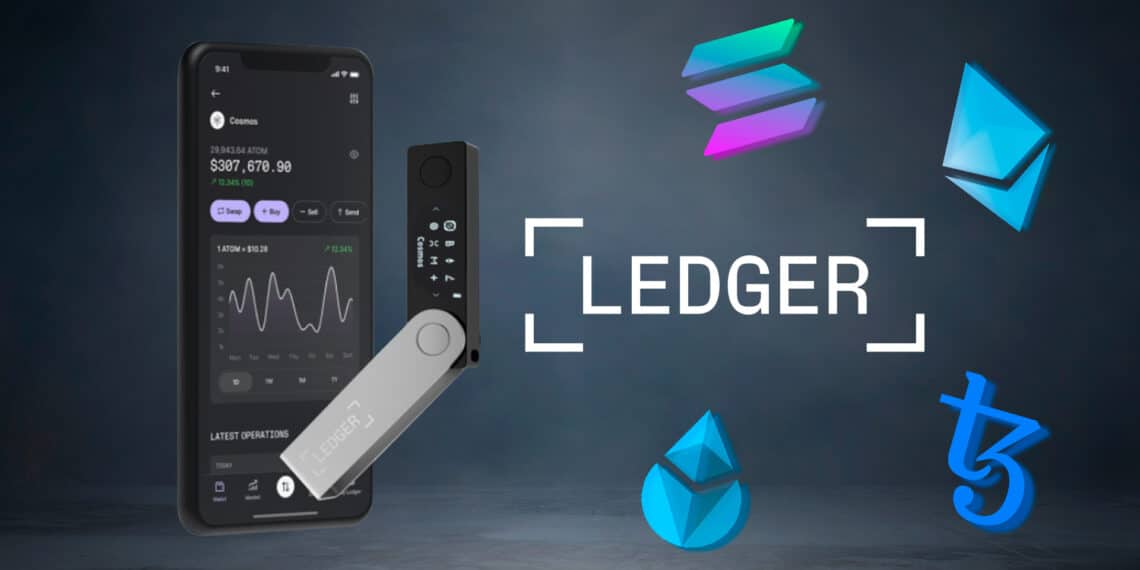
Now, about NFT support. Not every hardware wallet supports all NFT standards out there. Some wallets only handle ERC-20 tokens or basic cryptocurrencies, leaving NFT owners scrambling. The good news is that modern wallets have caught on. They now provide native support for major NFT standards, making it simpler to view, manage, and even transfer your collectibles securely.
I’m biased, but I prefer wallets that integrate well with user-friendly desktop apps. For example, the way Ledger’s ecosystem ties into ledger live gives you a visual dashboard of your assets, including NFTs, without having to jump through hoops. It’s like having a secure vault with a clear inventory list.
On one hand, cold storage and firmware updates might seem like techy annoyances to some. Though actually, they’re foundational for anyone serious about crypto security. On the other hand, the NFT craze has brought a new layer of complexity, making these features even more critical.
Here’s what bugs me about some wallet providers: they push firmware updates but don’t explain enough about why they’re essential. People just click “update” blindly or ignore the prompts altogether. That’s a recipe for disaster—especially when dealing with assets that can’t be replaced.
Check this out—my buddy tried to manage NFTs on his old crypto app without hardware backup, and a phishing scam wiped out his collection. It was a hard lesson in why cold storage paired with timely firmware updates isn’t optional; it’s survival.
Practical Tips for NFT Holders Using Hardware Wallets
First off, always verify firmware sources. Use trusted apps like ledger live to handle updates. It’s designed to connect your device securely and authenticate the firmware package. Skipping this step? Not a great idea.
Also, keep in mind that some NFT projects release new standards or require wallet compatibility tweaks. So, staying on top of firmware updates means you’re not locked out of new features or marketplaces.
Something I learned the hard way: don’t ignore the device’s security features like PIN codes and passphrase support. These add layers that protect your cold storage even if the physical device is lost or stolen.
Lastly, back up your seed phrase offline and never store it digitally. Yes, it’s old advice, but it’s very very important and sometimes overlooked in the excitement of NFT drops.
Okay, so to wrap up this messy but honest take—cold storage combined with regular, verified firmware updates creates a strong fortress for your crypto and NFTs. And tools like ledger live make this process manageable for everyday users.
I’m not 100% sure if this will keep evolving smoothly, though. The NFT space is wild and unpredictable. But for now, these steps are your best bet to avoid heartbreak and keep your digital treasures safe.
Leave a Reply